What Is the Difference Between Invisalign and Braces?
Compare Invisalign and braces to learn how they differ in appearance, comfort, treatment time, and oral care needs.
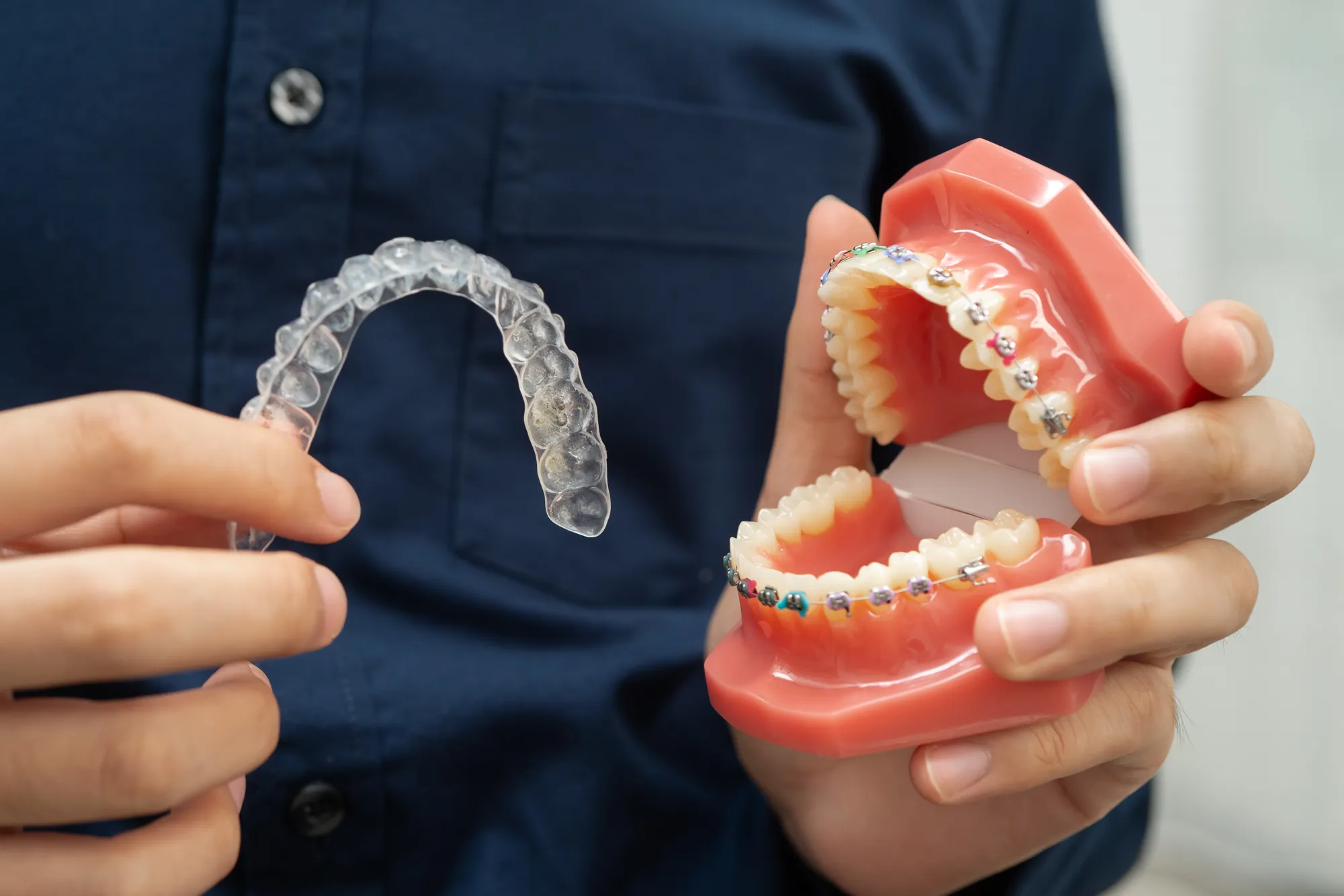
If you are considering orthodontic treatment to straighten your teeth, one of the first decisions you’ll face is choosing between Invisalign and traditional braces. Both options can effectively correct crooked teeth, gaps, crowding, and bite issues, but they work in different ways and offer distinct advantages.
Many patients ask whether Invisalign is better than braces, whether it works faster, and which option is right for their lifestyle. The answer depends on your orthodontic needs, personal preferences, and treatment goals.
In this guide, we’ll explore the key differences between Invisalign and braces to help you make an informed decision about your smile.
Understanding Invisalign and Traditional Braces
Both Invisalign and braces are designed to move teeth into better alignment over time. However, the way they accomplish this is quite different.
What Is Invisalign?
Invisalign uses a series of custom-made clear aligners that gradually shift teeth into their desired positions. These aligners are made from smooth, transparent plastic and fit snugly over your teeth.
Patients receive multiple sets of aligners throughout treatment, with each set making small adjustments to tooth positioning.
Many adults and teens choose Invisalign because the aligners are discreet and removable.
What Are Traditional Braces?
Traditional braces use metal brackets attached to the teeth and connected by wires. The orthodontist periodically adjusts these wires to apply pressure and guide teeth into alignment.
Modern braces are smaller and more comfortable than those used in the past, making them an effective treatment option for patients of all ages.
Appearance: One of the Biggest Differences
Invisalign Offers a Nearly Invisible Look
One of the primary reasons patients choose Invisalign is its appearance.
The clear aligners are difficult to notice during everyday conversations, photographs, and professional interactions. Many adults appreciate the ability to straighten their teeth without drawing attention to their orthodontic treatment.
Braces Are More Noticeable
Traditional braces are visible when you smile, speak, or eat. While some patients enjoy customizing braces with colored bands, others prefer a less noticeable option.
For patients concerned about aesthetics, clear aligners often provide an appealing alternative.
Comfort During Treatment
Invisalign Aligners Are Smooth and Comfortable
Since Invisalign aligners are made from smooth plastic, they generally cause less irritation to the cheeks and gums.
There are no brackets or wires that can rub against soft tissues inside the mouth.
Patients may experience mild pressure when switching to a new aligner tray, but this is usually temporary and indicates that the treatment is working.
Braces May Cause More Initial Irritation
Braces can sometimes cause discomfort after adjustments. Brackets and wires may irritate the inside of the cheeks and lips, especially during the first few weeks of treatment.
Orthodontic wax is often used to reduce irritation while the mouth adjusts.
Removability and Convenience
Invisalign Can Be Removed
One of Invisalign’s most significant advantages is flexibility.
Aligners can be removed for:
- Eating meals
- Drinking beverages other than water
- Brushing teeth
- Flossing
- Special occasions
This convenience allows patients to maintain their normal routines without major dietary restrictions.
Braces Stay Attached Throughout Treatment
Braces remain fixed to the teeth until treatment is complete.
Patients cannot remove them independently, which means they must adapt their eating habits and oral hygiene routines accordingly.
While this requires some adjustment, it also ensures consistent treatment progress.
Eating and Drinking
Invisalign Has Fewer Food Restrictions
With Invisalign, patients simply remove the aligners before meals.
This means you can continue enjoying foods such as:
- Popcorn
- Nuts
- Crunchy vegetables
- Chewy bread
- Steak
After eating, patients brush their teeth before reinserting the aligners.
Braces Require Dietary Modifications
Certain foods can damage brackets or wires.
Patients with braces are often advised to avoid:
- Hard candy
- Popcorn
- Ice
- Sticky candy
- Chewing gum
These restrictions help prevent treatment delays and emergency repairs.
Oral Hygiene During Treatment
Invisalign Makes Cleaning Easier
Since the aligners are removable, patients can brush and floss normally.
Maintaining oral hygiene during Invisalign treatment is often more straightforward because there are no brackets or wires trapping food particles.
Braces Require Extra Attention
Brushing and flossing around braces takes more time and effort.
Special flossing tools and orthodontic brushes are often recommended to clean around brackets and wires effectively.
Good oral hygiene is essential to prevent plaque buildup and tooth decay during treatment.
Treatment Effectiveness
Invisalign Works Well for Many Cases
Modern Invisalign technology can successfully treat a wide variety of orthodontic issues, including:
- Crowded teeth
- Gaps between teeth
- Mild to moderate bite problems
- Overbites
- Underbites
- Crossbites
Advancements in clear aligner technology have expanded the range of cases that can be treated successfully.
Braces Can Handle Complex Orthodontic Issues
Traditional braces remain highly effective for severe alignment and bite concerns.
Complex cases involving significant tooth movement may sometimes be better suited for braces.
Your dentist can evaluate your specific needs and recommend the most appropriate treatment option.
Is Invisalign Faster Than Braces?
One of the most common questions patients ask is whether Invisalign works faster than braces.
The answer depends on the complexity of the case.
For mild to moderate orthodontic issues, Invisalign may provide results in about six to eighteen months.
Traditional braces often require treatment periods ranging from 18 to 24 months or longer for more complex cases.
However, Invisalign success depends heavily on patient compliance. Aligners must typically be worn for 20 to 22 hours per day.
Patients who do not wear their aligners consistently may experience longer treatment times.
Which Is Cheaper: Invisalign or Braces?
Cost is another important factor when comparing treatment options.
The price of Invisalign and braces can vary depending on:
- Treatment complexity
- Length of treatment
- Geographic location
- Provider experience
In many cases, Invisalign and braces are similarly priced.
For simple cases, Invisalign may cost slightly more than traditional braces. However, technological advancements have made clear aligner treatment more accessible than ever.
The best way to determine treatment costs is through a personalized consultation.
Can Adults Get Invisalign?
Absolutely.
In fact, many Invisalign patients are adults seeking a discreet way to improve their smiles.
Adults often choose Invisalign because it allows them to straighten their teeth without the appearance of traditional braces.
Whether you’re in your 30s, 40s, 50s, or beyond, orthodontic treatment can still provide meaningful improvements in oral health and confidence.
Many professionals, parents, and retirees choose Invisalign to achieve straighter teeth while maintaining a natural appearance throughout treatment.
Does Invisalign Hurt?
Most patients report that Invisalign is relatively comfortable.
When beginning a new aligner set, you may feel mild pressure or tightness for a few days. This sensation indicates that the aligners are actively moving your teeth.
The discomfort is generally mild and temporary.
Compared to traditional braces, Invisalign often causes less irritation because there are no metal components rubbing against the soft tissues of the mouth.
Who Is a Good Candidate for Invisalign?
You may be a good candidate for Invisalign if you:
- Have mild to moderate crowding
- Have spacing issues
- Have certain bite concerns
- Want a discreet treatment option
- Can commit to wearing aligners as directed
A consultation can determine whether clear aligners are suitable for your smile goals.
Choosing the Right Orthodontic Treatment
Both Invisalign and braces can deliver excellent results when properly planned and monitored.
The best option depends on:
- The complexity of your orthodontic needs
- Your lifestyle
- Your aesthetic preferences
- Your budget
- Your commitment to treatment
Some patients value the convenience and appearance of Invisalign, while others benefit from the reliability of traditional braces.
A thorough evaluation can help determine which treatment aligns best with your goals.
Start Your Smile Journey
If you are considering Invisalign or exploring your orthodontic treatment options, our team is here to help.
We provide personalized evaluations and customized treatment recommendations to help patients achieve healthier, straighter smiles with confidence.
Schedule a consultation today to learn whether Invisalign or braces is the right choice for your unique needs.
Frequently Asked Questions
Is Invisalign Faster Than Braces?
For many mild to moderate orthodontic cases, Invisalign can achieve results in approximately 12 to 18 months. More complex cases may require longer treatment times. The speed of Invisalign treatment depends greatly on wearing the aligners consistently.
Which Is Cheaper: Invisalign or Braces?
Costs vary based on the complexity of treatment and individual needs. In many situations, Invisalign and braces have comparable pricing, although Invisalign may sometimes be slightly higher in cost.
Can Adults Get Invisalign?
Yes. Invisalign is a popular option among adults who want a discreet method of straightening their teeth. Many adults successfully complete Invisalign treatment and enjoy long-term orthodontic improvements.
Does Invisalign Hurt?
Most patients experience mild pressure when changing aligners, but the discomfort is usually temporary and manageable. Invisalign often causes less irritation than traditional braces.
Are Clear Aligners as Effective as Braces?
Clear aligners can effectively treat many orthodontic concerns, including crowding, spacing, and certain bite issues. More complex cases may sometimes be better suited for traditional braces.
How Many Hours a Day Should Invisalign Be Worn?
For optimal results, Invisalign aligners should generally be worn for 20 to 22 hours per day and removed only for eating, drinking anything besides water, brushing, and flossing.