How Much Do Dental Implants Cost in Chicago?
Learn what influences dental implant costs in Chicago, treatment options, and factors that affect overall pricing.
Missing teeth can affect much more than your smile. They can impact the way you eat, speak, and feel about your appearance. If you have been exploring options for replacing missing teeth, dental implants are often considered one of the most reliable and long-lasting solutions available today.
One of the most common questions patients ask is, “How much do dental implants cost in Chicago?” The answer depends on several factors, including the number of teeth being replaced, the condition of your oral health, and any additional procedures that may be needed before implant placement.
We believe patients deserve clear information so they can make informed decisions about their oral health. This guide will help you understand what influences the cost of dental implants, why they are often considered a worthwhile investment, and what to expect throughout the process.
Understanding Dental Implants
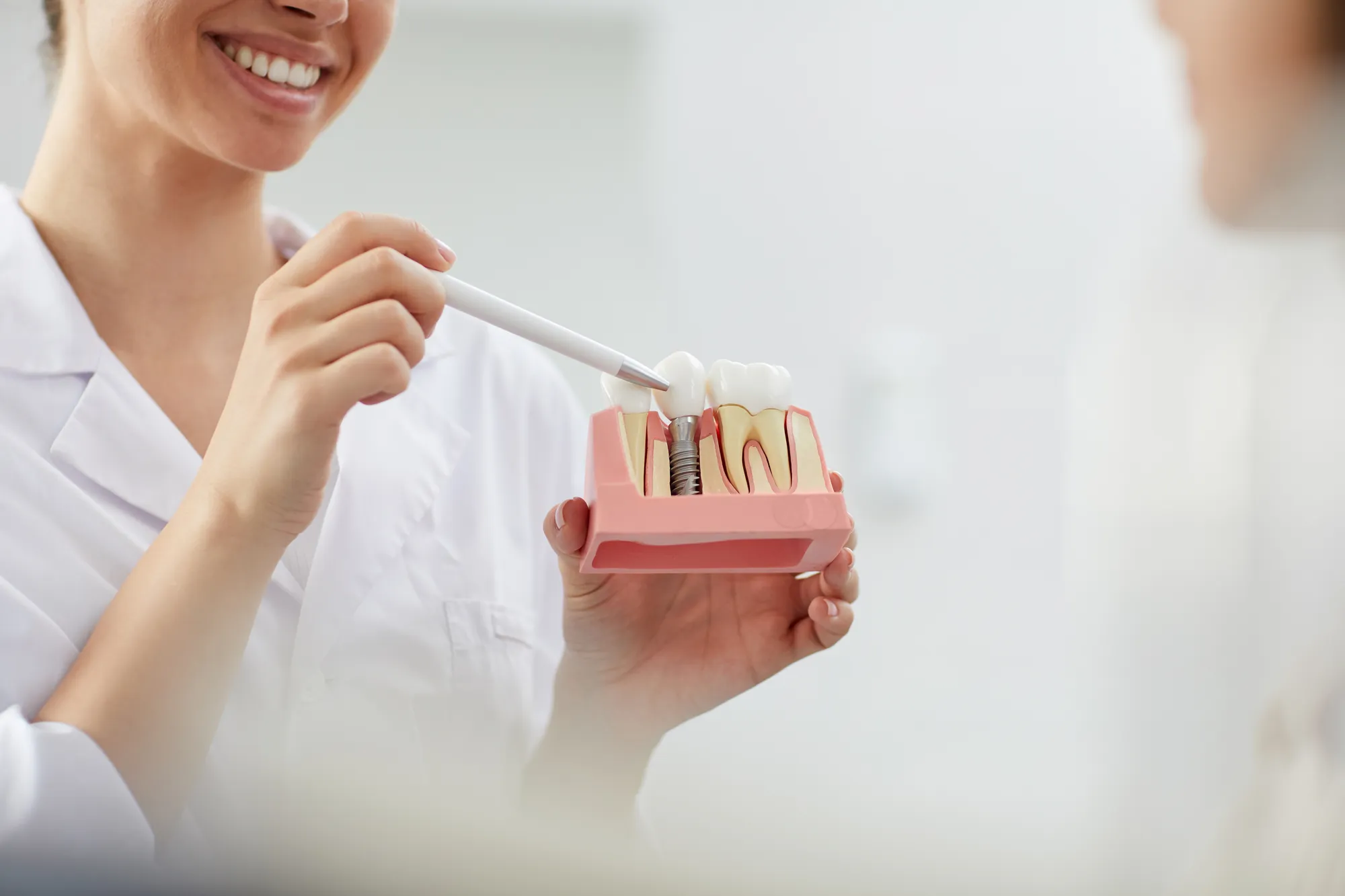
Dental implants are artificial tooth roots made from biocompatible titanium. They are surgically placed into the bone and serve as a stable foundation for replacement teeth such as crowns, bridges, or dentures.
Unlike traditional tooth replacement options, dental implants replace both the visible portion of the tooth and its root. This helps preserve bone health and provides exceptional stability.
A complete dental implant restoration typically includes:
- The dental implant post
- The abutment that connects the implant to the restoration
- The custom-made dental crown
Because implants closely mimic natural teeth, many patients find them to be the most comfortable and functional solution for replacing missing teeth.
What Is the Average Cost of Dental Implants in Chicago?
The average cost of dental implants in Chicago can vary significantly based on individual treatment needs.
The cost of a single dental implant, including the implant post, abutment, and crown, depends on your individual treatment plan. Patients requiring multiple implants, implant-supported bridges, or full-arch restorations can expect different pricing structures.
The final cost depends on factors such as:
- Number of implants needed
- Type of restoration
- Bone quality and quantity
- Additional procedures required
- Materials used
- Experience of the implant dentist
A comprehensive consultation is the best way to receive an accurate estimate tailored to your specific needs.
Why Dental Implant Costs Vary
Number of Missing Teeth
Replacing a single missing tooth generally costs less than restoring multiple missing teeth or a full arch.
In some cases, several missing teeth can be restored with fewer implants using an implant-supported bridge, which may provide a more cost-effective solution.
Bone Grafting Procedures
For successful implant placement, sufficient bone density is required.
If bone loss has occurred due to prolonged tooth loss, periodontal disease, or trauma, a bone graft may be recommended before implant surgery. This additional procedure can increase overall treatment costs but often improves long-term outcomes.
Tooth Extraction
If a damaged or failing tooth remains in place, extraction may be necessary before implant placement.
The complexity of the extraction can influence the total treatment cost.
Type of Restoration
The final restoration significantly affects pricing.
Options may include:
- Single implant crowns
- Implant-supported bridges
- Implant-supported dentures
- Full-mouth dental implants
Each solution is customized based on the patient’s oral health goals and needs.
Technology and Materials
Advanced imaging technology, digital treatment planning, and premium restoration materials may influence the cost of treatment.
However, these technologies often contribute to greater precision, improved comfort, and more predictable outcomes.
Why Dental Implants Are Different From Other Tooth Replacement Options
When comparing treatment options, it is important to understand what makes dental implants unique.
Traditional bridges rely on neighboring teeth for support. Dentures rest on the gums and may shift during eating or speaking.
Dental implants function independently and integrate directly with the bone through a process called osseointegration.
Benefits include:
- Natural appearance
- Strong biting and chewing ability
- Improved speech
- Bone preservation
- Long-term stability
- No impact on adjacent teeth
For many patients, these advantages make implants a preferred solution for replacing missing teeth.
Are Dental Implants Worth the Cost?
One of the most frequently asked questions is whether dental implants are worth the investment.
For many patients, the answer is yes.
While implants may have a higher upfront cost compared to bridges or dentures, they often provide long-term value because they are designed to last for many years.
Patients frequently report benefits such as:
- Increased confidence
- Greater comfort
- Improved ability to eat favorite foods
- Better oral health
- Less need for future replacements
When viewed as a long-term solution rather than a short-term fix, dental implants often become a cost-effective choice.
How Long Do Dental Implants Last?
One reason dental implants continue to grow in popularity is their longevity.
With proper oral hygiene and regular dental visits, the implant post itself can often last decades and may even last a lifetime.
The crown attached to the implant may eventually need replacement due to normal wear and tear, typically after many years of use.
Factors that influence implant longevity include:
- Oral hygiene habits
- Smoking status
- Overall health
- Regular dental care
- Bite forces and grinding habits
Working with an experienced implant dentist can help maximize the lifespan of your restoration.
Does Insurance Cover Dental Implants?
Insurance coverage for dental implants varies widely between plans.
Some insurance providers may cover portions of the treatment, such as:
- Diagnostic exams
- Imaging
- Tooth extractions
- Restorative crowns
Other plans may offer limited or no implant coverage.
Because every policy is different, it is important to verify benefits directly with your insurance provider.
Many dental practices also offer financing options that can help make treatment more manageable through monthly payments.
The Dental Implant Process
Understanding the treatment process can help patients feel more comfortable about their investment.
Initial Consultation
The first step involves a comprehensive evaluation of your oral health.
Digital imaging and diagnostic scans allow the dentist to assess bone levels and determine candidacy for implants.
Treatment Planning
A personalized treatment plan is created based on your unique needs and goals.
This plan outlines:
- Number of implants needed
- Timeline
- Expected costs
- Any preparatory procedures
Implant Placement
The implant post is surgically placed into the bone.
Healing and integration typically take several months.
Restoration Placement
Once healing is complete, the final crown, bridge, or denture is attached to the implant.
The result is a secure and natural-looking restoration designed to function like a real tooth.
Choosing the Right Implant Dentist
Selecting the right provider plays a significant role in the success of your treatment.
When researching a dental implant provider, consider factors such as:
- Experience with implant procedures
- Advanced technology
- Comprehensive treatment planning
- Patient reviews
- Personalized care approach
A skilled provider can help ensure optimal function, aesthetics, and long-term success.
Maintaining Your Dental Implants
Proper maintenance is essential for protecting your investment.
To keep implants healthy:
- Brush twice daily
- Floss regularly
- Attend routine dental checkups
- Avoid tobacco products
- Wear a night guard if recommended
- Follow your dentist’s instructions
Consistent care can help support the long-term health of both the implant and the surrounding tissues.
Why Patients Choose Dental Implants to Replace Missing Teeth
Patients often choose dental implants because they provide a stable, natural-feeling solution that supports both oral health and confidence.
Unlike removable alternatives, implants become part of your smile. They allow you to enjoy everyday activities without worrying about slipping dentures or compromised chewing ability.
For individuals looking for a dependable option for replacing missing teeth, dental implants continue to be one of the most trusted treatments available.
Restore Your Smile
If you are considering dental implants, our team is here to help. We provide personalized evaluations, advanced treatment planning, and compassionate care to help patients restore the health, function, and appearance of their smiles.
Schedule a consultation today to learn more about your options for missing tooth replacement and discover whether dental implants are the right solution for you.
Frequently Asked Questions
What Is the Average Cost of Dental Implants in Chicago?
The cost of implant placement, the abutment, and the crown varies from patient to patient. The exact cost depends on your individual treatment needs, oral health condition, and whether additional procedures are required. We provide a personalized estimate at your consultation.
Are Dental Implants Worth the Cost?
Many patients consider dental implants worth the investment because they provide long-term stability, preserve bone health, and closely mimic the appearance and function of natural teeth. They may also reduce the need for future tooth replacement procedures.
How Long Do Dental Implants Last?
With proper care and regular dental visits, the implant post can last for decades and may even last a lifetime. The restoration attached to the implant may require replacement after years of normal wear.
Does Insurance Cover Dental Implants?
Coverage varies by insurance provider and policy. Some plans may cover portions of treatment, while others may provide limited benefits. It is best to check directly with your insurance company for specific details.
Who Is a Good Candidate for Dental Implants?
Most healthy adults with sufficient bone density are candidates for dental implants. A consultation with an implant dentist can determine whether implants are right for you.
Can Dental Implants Replace Multiple Missing Teeth?
Yes. Dental implants can support individual crowns, bridges, or full-arch restorations, making them a versatile option for replacing one tooth, several teeth, or an entire arch.