Dental Implants vs. Bridges: Which Tooth Replacement Option Is Right for You?
Comparing dental implants vs. bridges? Learn the key differences in cost, longevity, and care to choose the best tooth replacement for you.
Missing a tooth changes more than your smile. It affects how you chew, how your other teeth shift over time, and honestly, how confident you feel when you laugh in a photo. If you’ve been researching how to fill that gap, you’ve probably landed on two main options: dental implants or dental bridges. Both work. Both have been used successfully for years, and both have a place in modern dentistry. But they’re not interchangeable, and the right choice depends on your mouth, your budget, and your long-term goals.
We talk through this decision with patients regularly. There’s no one-size-fits-all answer here. So let’s break down how these two options actually compare, side by side, so you can walk into your consultation already knowing the right questions to ask.
The Core Difference: What Each Option Actually Does
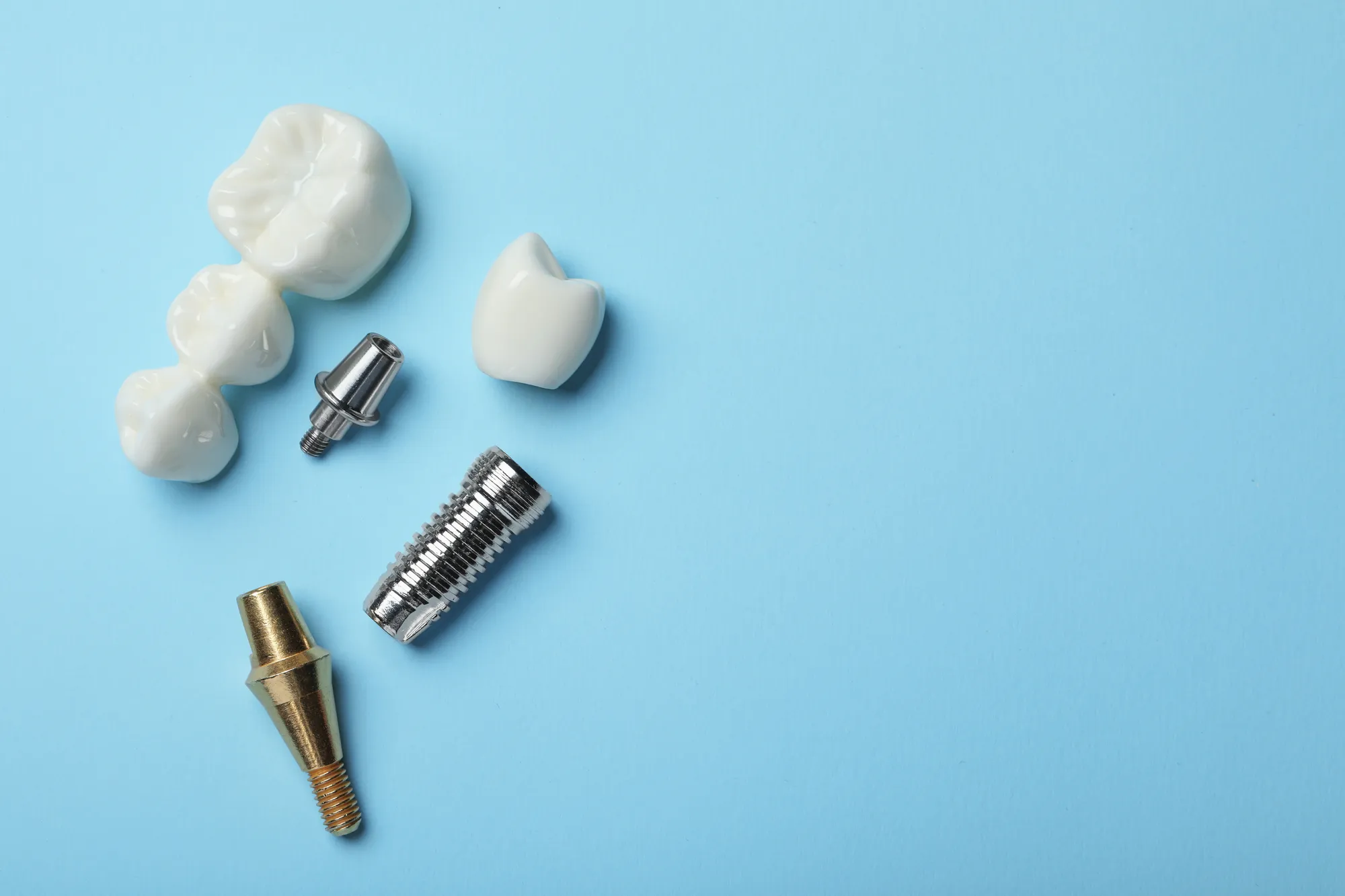
A dental bridge replaces a missing tooth by anchoring an artificial tooth (called a pontic) to the natural teeth on either side of the gap. Those neighboring teeth get filed down and capped with crowns, which support the bridge structure. It’s a fixed appliance. Cemented in place, not removable.
A dental implant takes a different approach entirely. A small titanium post is placed directly into the bone, acting as an artificial tooth root. Once it integrates with the bone, a crown is attached on top. The implant stands on its own. It doesn’t rely on neighboring teeth for support at all.
That single distinction, whether the replacement leans on adjacent teeth or stands independently, is really the root of every other difference between these two options.
Comparing the Practical Differences
Impact on Surrounding Teeth
This is one of the biggest factors people don’t think about right away. Bridges require altering healthy teeth on either side of the gap to accommodate crowns. Once a tooth is shaped for a crown, that change is permanent, even if you later decide you want a different solution. Implants don’t touch neighboring teeth at all. The teeth on either side of the gap stay exactly as they are, untouched and unaltered.
Bone Health Over Time
When a tooth is missing, the bone underneath the gap can start losing density over time since it’s no longer getting stimulated by chewing forces. A bridge sits on top of the gum and doesn’t do anything about that. A dental implant, because it’s embedded in the bone itself, provides that stimulation and helps hold bone structure in place. This matters a lot for the long haul, especially if you’re younger and have decades of wear ahead of you.
Procedure and Timeline
Bridges are typically finished faster, often within a couple of visits after your teeth are prepared and impressions are taken. Implants take longer. After the post is placed, it needs time to fuse with the bone (osseointegration), which can take a few months before the final crown goes on. Working with a tighter timeline? That difference matters more than you’d think.
Longevity and Maintenance
Bridges generally last around 10 to 15 years with proper care, though this varies based on oral hygiene and the health of the supporting teeth. Implants, once integrated, are built to function for many years, often longer, since the titanium post itself doesn’t decay the way a natural tooth can. That said, the crown on top of an implant may eventually need replacing due to normal wear. Same as any dental crown.
Daily care differs too. Bridges need extra attention underneath the pontic, usually with a floss threader or water flosser, since food and bacteria like to collect in that space. Implants get cared for much like natural teeth: brushing, flossing, done.
Cost Considerations
Bridges typically cost less upfront since the procedure is less involved. Implants usually cost more initially because of the surgical placement, the healing period, and the number of parts involved (post, abutment, and crown). Here’s the thing, though. Many people find that once they factor in the potential need to replace a bridge sooner, or the risk of complications with the supporting teeth, the lifetime cost gap narrows quite a bit. Insurance coverage also varies widely between the two, so it’s worth reviewing your specific plan before you decide anything.
Who Tends to Be a Better Fit for Each Option
Dental bridges often make sense if you have healthy, strong teeth next to the gap that can support a crown, or if you’d rather keep the treatment timeline short. Bridges can also be the more reasonable option when someone has bone density concerns that would need addressing before implant placement is even possible.
Dental implants tend to fit better if you want to avoid altering healthy neighboring teeth, if you’re after a longer-term solution, or if you’ve got enough bone density to support the post. If you’re missing multiple teeth in a row, or even a full arch, implant-supported options are worth exploring as an alternative to traditional bridges or dentures.
Your dentist will look at your bone structure, gum health, the condition of nearby teeth, and your overall health history before recommending one path over the other. Sometimes X-rays or a 3D scan are part of that evaluation, particularly if implants are on the table.
What This Looks Like in Practice
If you’ve been putting off replacing a missing tooth because you’re not sure which route to take, you’re not alone. Honestly, this is a decision that benefits from an actual conversation, not just reading through comparisons online (even this one). Every mouth is different. What worked for a friend or family member might not be the right call for your situation at all.
Ready to Get Started?
If you’re weighing dental implants against bridges and want a clearer picture of what fits your mouth, your budget, and your timeline, our team is here to walk through it with you. We take the time to explain your options clearly before any decision gets made. Whether you’re leaning toward dental implants or want to learn more about bridge options, our team is ready to help you figure out the right next step. Reach out to schedule a consultation and get answers specific to your situation.
FAQs
Are Dental Implants Painful to Get Placed?
Most people report mild discomfort after the procedure, similar to what you’d feel after a tooth extraction. Local anesthesia is used during placement, and your dentist will go over aftercare and any recommended pain management for the healing period.
Can I Get a Bridge If I’ve Lost Bone in My Jaw?
Yes. Bridges don’t rely on bone density the way implants do, since they’re supported by neighboring teeth rather than anchored into the bone. This is one reason bridges sometimes get recommended for people who aren’t candidates for implants without additional bone grafting.
How Long Does the Implant Process Take From Start to Finish?
The full process, from placement to the final crown, typically takes a few months because of the healing and integration period. Your dentist can give you a more specific timeline based on your bone health and how you heal.
Will My Insurance Cover Implants or Bridges?
Coverage varies widely by plan and provider. Some insurance plans cover a portion of bridge costs, while implant coverage differs depending on the policy. Our team can help you understand what your specific plan covers before treatment begins.
Can a Bridge Be Replaced with an Implant Later On?
In some cases, yes, though it depends on the condition of the teeth that were previously used to support the bridge. Worth discussing directly with your dentist if you’re thinking about switching options down the road.