Chipped, Cracked or Broken Tooth: Emergency Steps and Repair Options in Chicago
Learn what to do after a chipped, cracked, or broken tooth and explore broken tooth repair in Chicago options, from bonding to crowns and root canals.
Biting into something hard, taking a fall, getting hit during a weekend game. Any of these can crack or chip a tooth in an instant. One minute everything’s fine. The next you’re running your tongue over a rough edge wondering how bad it actually is. The tricky part isn’t always knowing something happened. It’s figuring out what to do next, and which repair option actually fits your situation.
Not every chip needs the same fix. A small chip on a back molar and a crack that reaches the gumline are two very different problems with two very different solutions. This guide walks through the first few minutes after damage happens, then breaks down how dentists typically decide between repair options. So you have a clearer sense of what to ask before you ever sit in the chair for broken tooth repair in Chicago.
What Should You Do in the First Few Minutes After a Tooth Breaks?
The first few minutes matter more than people realize. What you do right away can affect how much pain you’re in, and sometimes even whether the tooth can be saved in its original form.
- Rinse your mouth gently with warm water to clear away any debris or blood.
- If there’s swelling, apply a cold compress to the cheek in short intervals.
- Save any broken piece of tooth if you can find it, and keep it moist in milk or saliva.
- Avoid chewing on that side of your mouth until you’ve been seen.
- Over the counter pain relief can help manage discomfort, but avoid placing aspirin directly on the gum.
- Call a dental office as soon as possible, even if the pain seems mild.
A tooth that doesn’t hurt much isn’t necessarily a minor issue. Cracks can run deeper than they appear on the surface. And nerve damage doesn’t always announce itself right away.
How Do You Know If It’s a Dental Emergency or Something That Can Wait?
This is usually the first real decision point, and it shapes everything that follows. Some breaks need attention the same day. Others can reasonably wait for a regular appointment.
Severe pain, a visible crack extending toward the gum, a tooth that feels loose, or any bleeding that won’t stop are signs you shouldn’t wait. These situations point toward nerve involvement or root damage, and delaying care can let the problem get worse or lead to infection.
On the other hand, a small chip with no pain and no sharp edges might just need a quick evaluation within a few days. It’s still worth getting checked (even minor chips can wear down further or catch on your lip or tongue), but it’s typically not urgent.
Signs That Point Toward Urgent Care
- Sharp or throbbing pain that doesn’t ease with over the counter medication
- Visible pink or red tinge inside the broken area, which can indicate nerve exposure
- Sensitivity to hot or cold that lingers for more than a few seconds
- A tooth that shifts or feels loose when touched
Which Repair Option Actually Fits Your Type of Damage?
Once you’re in front of a dentist, the next decision is which repair approach makes sense. This isn’t a one size fits all process. The right choice depends on how much tooth structure is affected, where the tooth sits, and how it looks when you smile or talk.
Small Chips and Minor Surface Cracks
For minor chips, especially on front teeth, dental bonding is often the straightforward option. A tooth colored resin gets shaped onto the damaged area and hardened with a special light. It’s a quicker procedure and works well for chips that don’t involve much of the tooth’s structure. Bonding is a practical choice when appearance matters as much as function, since the resin can be matched closely to your natural tooth shade.
Moderate Cracks or Larger Chips
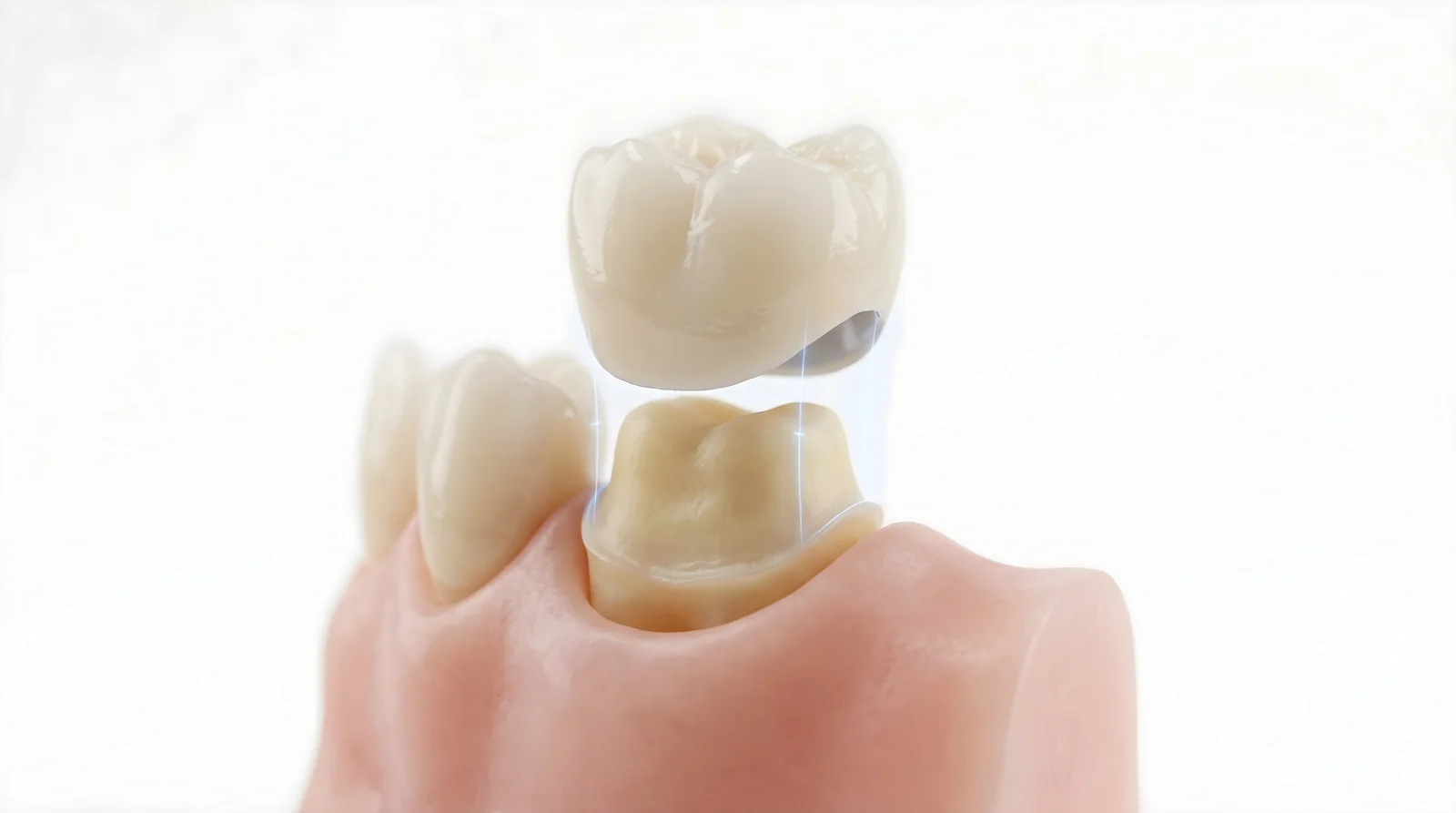
When more of the tooth is missing, or the crack extends further, a dental crown usually becomes the better fit. A crown covers the entire visible portion of the tooth, protecting it from further breakage while restoring its shape and bite function. This option tends to come up more with molars, since back teeth handle more chewing pressure and benefit from that extra coverage.
Cracks That Reach the Nerve
If a crack or break has reached the inner pulp of the tooth, root canal therapy may be needed before any crown or restoration goes in. This step removes damaged or infected tissue from inside the tooth and seals it. That addresses the pain at its source instead of just covering it up. Skipping this step when it’s actually needed usually just delays a bigger issue down the road.
Veneers for Cosmetic Front Tooth Damage
For chips on front teeth where appearance is the bigger concern, a veneer can be a good fit. This thin shell bonds to the front surface of the tooth and corrects the look of a chip while blending with surrounding teeth. Veneers generally come up when the underlying tooth structure is still sound and the main goal is restoring a natural look.
What Factors Should Guide Your Final Decision?
Choosing between these options isn’t just about the size of the break. A few other things tend to carry weight during the conversation with your dentist.
- Location of the tooth. Front teeth often prioritize appearance, back teeth prioritize chewing strength.
- Whether the nerve is exposed, or likely to become exposed over time.
- Your bite pattern, and whether the tooth takes on heavy pressure daily.
- Budget. How long you’d like the repair to actually last.
- Your own preference on how natural the repair needs to look.
Being upfront with your dentist about your priorities (cost, appearance, long term durability, whatever matters most to you) helps narrow down the recommendation faster.
Ready to Get Started?
If you’re dealing with a chipped, cracked, or broken tooth, waiting rarely makes things easier. Honestly, it usually just makes things worse. Always There Dental Care works with patients throughout the Chicago area to evaluate dental damage quickly and walk through repair options that fit your specific situation, not just a generic fix. Whether it’s a small chip that needs bonding or a more involved crack that requires a crown or root canal, Always There Dental Care can help you understand what’s actually going on and what steps make sense next. Reach out to Always There Dental Care to schedule an evaluation and get a clear answer on your broken tooth repair in Chicago.
Frequently Asked Questions
Does a chipped tooth always need to be treated right away?
Not always. Small chips without pain can often wait for a regular appointment, but it’s still worth having it checked so it doesn’t worsen or catch on soft tissue in your mouth.
Can a cracked tooth heal on its own?
No. Tooth structure doesn’t regenerate like skin does. A crack won’t repair itself and typically needs some form of dental treatment to keep it from spreading further.
How long does bonding for a chipped tooth usually last?
Bonding can last several years with normal care, though it may need touch ups over time, especially if you grind your teeth or bite down on hard objects regularly.
Is a root canal always necessary after a tooth breaks?
No, it depends on whether the crack reaches the nerve inside the tooth. Many chips and cracks only affect the outer structure and don’t require root canal therapy.
What should I do if I can’t get in to see a dentist the same day?
Rinse with warm water, apply a cold compress if there’s swelling, avoid chewing on that side, and keep any broken piece of the tooth moist until you’re able to be seen.