Are Porcelain Veneers Worth It for Fixing Chipped or Stained Teeth?
Discover how porcelain veneers restore chipped and stained teeth, improve smile aesthetics, and provide long-lasting results.
When you look in the mirror, are your eyes immediately drawn to a small chip on your front tooth? Or maybe you have a stubborn, yellowish stain that refuses to budge, no matter how many whitening toothpastes or store-bought strips you try. Feeling self-conscious about your smile can subtly impact every area of your life, from how you present yourself in a business meeting to how freely you laugh with friends.
If you are looking for a long-term upgrade, you have likely come across porcelain veneers as a popular option in cosmetic dentistry. But are they truly worth the investment of your time and money?
We believe that an informed patient is a happy patient. Veneers can transform a smile, but they are a big decision. In this guide, we explain what veneers are, how they fix structural and cosmetic imperfections, and how to determine if this procedure is the right path for your smile goals.
Understanding Porcelain Veneers: What Exactly Are They?
Before deciding if they are worth it, it helps to understand what a veneer actually is. Think of a porcelain veneer as a highly durable, custom-designed shield for your tooth.
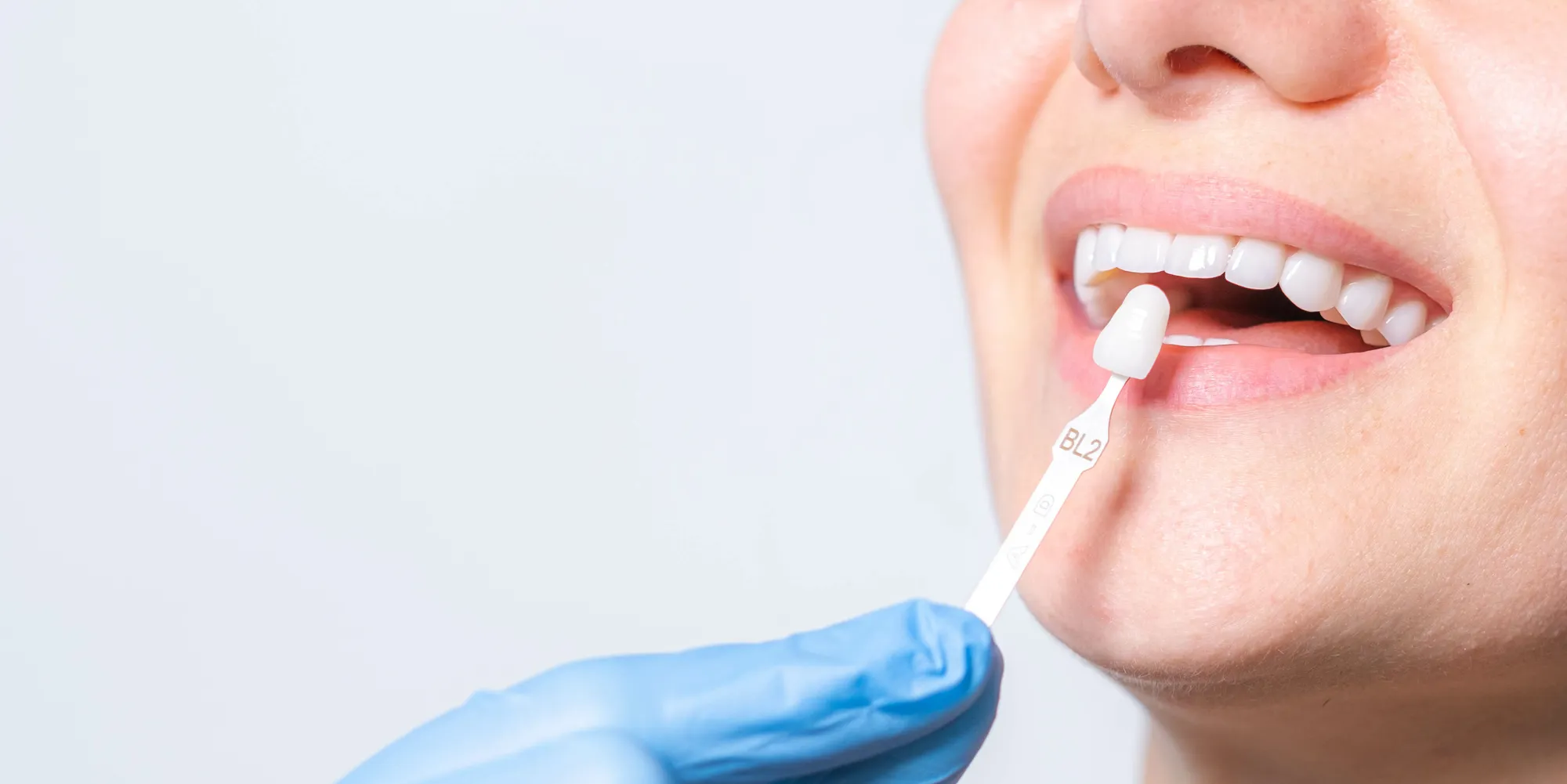
Veneers are ultra-thin shells crafted from medical-grade dental porcelain. A cosmetic dentist permanently bonds these shells to the front surfaces of your natural teeth to instantly alter their color, shape, size, or length. Because they are custom-made for your unique facial structure and dental anatomy, they do not look like a generic set of artificial teeth. Instead, they mimic the natural translucent properties of real tooth enamel, blending seamlessly into your mouth.
How Veneers Rescue Chipped and Fractured Teeth
A chipped or broken tooth can happen in a split second, whether from a sports injury, an accidental bite into a piece of hard candy, or general wear and tear over time. While small chips can occasionally be smoothed down, larger fractures can throw off the entire symmetry of your smile.
Restoring Structural Integrity
Porcelain veneers do more than just hide a chip; they restore the physical shape and functional surface of the tooth. When a veneer is bonded to a chipped tooth, it covers the damaged area entirely, protecting the vulnerable underlying tooth structure from further cracking or decay.
Seamlessly Blending with Natural Teeth
Unlike older cosmetic materials that could look flat or dull, modern dental porcelain reflects light just like natural enamel. Your dentist will meticulously match the shade of the veneer to your surrounding teeth. Once placed, it is virtually impossible for anyone to tell where your natural tooth ends and the veneer begins.
Erasing Stubborn Stains That Whitening Cannot Fix
Many people are surprised to learn that professional teeth whitening does not work on every type of discoloration. While surface stains from coffee, tea, and red wine usually respond well to chemical whitening gels, other types of discoloration are embedded deep within the tooth structure.
Intrinsic Stains and Tetracycline Discoloration
Stains caused by dental trauma, excessive fluoride exposure during childhood, or certain medications like tetracycline are known as intrinsic stains. Because these dark discolorations live deep inside the dentin layer beneath your enamel, traditional bleaching agents cannot reach them.
A Permanently Bright Smile
Porcelain veneers are a strong option for severe internal staining. Because the porcelain shell is opaque enough to mask dark underlying colors yet translucent enough to look lifelike, it can mask deep discoloration. Even better, dental porcelain is highly resistant to future staining. You can enjoy your morning coffee or evening glass of wine without worrying about your new smile dulling over time.
Weighing the Pros and Cons: Are They Worth the Investment?
To decide if porcelain veneers are worth it for your specific lifestyle, it is helpful to look at the practical benefits alongside the long-term commitments.
The Benefits of Choosing Porcelain
- A Complete Transformation: Veneers can fix multiple issues at once. If you have a tooth that is both chipped and severely stained, a single veneer corrects both problems simultaneously.
- Incredible Longevity: With proper care and routine professional maintenance, high-quality porcelain veneers can last many years, often a decade or more.
- Natural Look and Feel: They are custom-sculpted to feel natural against your lips and tongue, meaning your speech and chewing patterns will remain completely normal.
- Stain Resistance: Unlike natural enamel or composite bonding resin, porcelain is non-porous, meaning it actively resists discoloration from dark foods and beverages.
Factors to Keep in Mind
- An Irreversible Procedure: To ensure the veneers sit flush with the rest of your smile and do not look bulky, your dentist must remove a tiny fraction of a millimeter of enamel from the front of your teeth. Because enamel cannot grow back, this makes the treatment permanent. Your teeth will always need to be protected by a veneer or a dental crown in the future.
- Upfront Cost: Veneers are a premium cosmetic dental treatment, and because they are custom-fabricated in a dental laboratory by master ceramicists, the initial cost is higher than alternative treatments like composite bonding.
Alternative Treatment Options to Consider
Veneers are fantastic, but they are not the only way to upgrade your smile. A great cosmetic provider will always show you alternative paths so you can choose the treatment that matches your comfort level and budget.
Composite Dental Bonding
If you have a very minor chip or just one stained tooth, dental bonding is a quicker, less invasive alternative. Your dentist applies a tooth-colored composite resin directly to the tooth, shapes it by hand, and hardens it with a specialized light. It can be done in a single visit and requires very little, if any, enamel removal. However, composite resin is not as durable as porcelain and will stain over time, usually needing replacement every three to seven years.
All-Porcelain Dental Crowns
If a tooth has a very large fracture, a deep cavity, or has undergone a root canal, it may not have enough healthy enamel left to support a veneer. In these cases, a full dental crown is the better choice. While a veneer only covers the front surface of a tooth, a crown caps the entire tooth down to the gumline, providing superior structural support.
Ready to Transform Your Smile? Contact Us
Your smile is an investment in your confidence, health, and happiness. If you are tired of hiding chipped or heavily stained teeth, porcelain veneers offer a reliable, stunning, and long-lasting path toward the smile you have always wanted.
We map out personalized cosmetic treatment plans designed around your lifestyle, goals, and budget. Contact us today to schedule your cosmetic consultation, and let us help you build a radiant smile you will be proud to share with the world.
Frequently Asked Questions About Veneers
Does the Procedure for Getting Veneers Hurt?
Not at all. The process is typically broken down into two or three comfortable appointments. During the preparation phase, your dentist will numb the area with a local anesthetic so you will not feel any discomfort while the teeth are gently shaped. Most patients report mild sensitivity for a few days after the final placement, but this quickly subsides.
How Do I Care for My Porcelain Veneers?
Caring for veneers is remarkably simple because you treat them just like your natural teeth. You need to brush twice a day with a non-abrasive fluoride toothpaste, floss daily, and visit your dentist regularly for professional cleanings. To prevent damage, avoid biting directly into extremely hard objects like ice cubes, hard candies, or writing pens, and never use your teeth as tools to open packaging.
Can Veneers Get Cavities?
While the porcelain shell itself cannot decay, the natural tooth structure underneath and around the edges of the veneer is still susceptible to cavities. If a cavity develops under a veneer, the restoration can fail. This is why maintaining excellent oral hygiene and attending regular checkups remain vital.
Will Dental Insurance Cover the Cost of Porcelain Veneers?
Because veneers are usually classified as an elective cosmetic procedure, most dental insurance companies do not cover the cost. However, if a veneer is being placed to restore structural integrity to a tooth that was cracked or damaged in an accident, a portion of the treatment might be covered.