10 Signs You May Need a Dental Crown Instead of a Filling
Wondering if you need a dental crown or a filling? Discover 10 clear signs your tooth needs more than a filling to stay healthy and strong.
Maria sat in the waiting room scrolling through her phone, half listening for her name. She’d chipped a tooth eating popcorn three weeks earlier and figured it was a simple fix. Just a filling. Patch it up, move on with her day. But when the dentist looked at the X-ray and said the word “crown,” she felt a little thrown. Wasn’t that for bigger problems? Why couldn’t they just fill it like last time?
Sound familiar? If you’ve found yourself wondering why your tooth needs more than “just a filling,” you’re not alone. It’s one of the most common questions patients ask at the dentist’s office, and honestly, there’s usually a pretty straightforward explanation. Fillings and crowns solve different problems. Knowing the difference helps you understand exactly what your dentist is recommending, and why.
Fillings vs. Crowns: What’s Actually Different
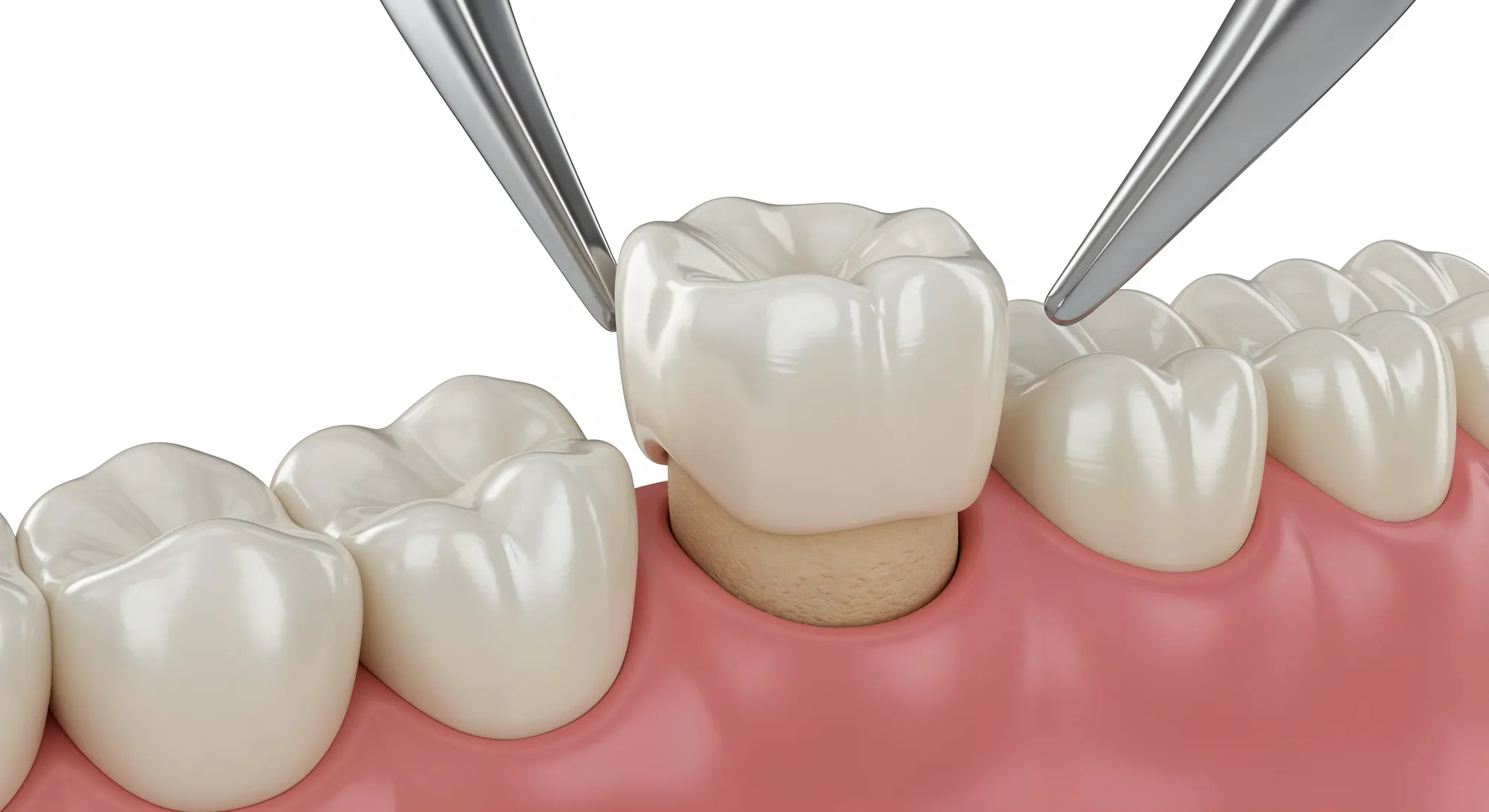
A filling restores a small to moderate area of tooth structure lost to decay or minor damage. A crown covers the entire visible portion of the tooth above the gumline. Think of a filling as patching a hole. A crown is more like slipping a protective cap over the whole thing. When damage runs too deep, spreads too wide, or sits in a spot where a filling just can’t hold up under normal biting pressure, a crown becomes the better call.
Here are ten signs that often point toward needing a crown rather than a filling.
1. The Decay Covers a Large Portion of the Tooth
When cavities spread across multiple surfaces of a tooth, there may not be enough healthy structure left to support a filling. Fillings need a certain amount of surrounding tooth to bond to and stay put. Once decay eats away too much of that foundation, a crown gives the tooth the coverage it needs to keep working.
2. You Have a Cracked or Fractured Tooth
Cracks don’t always announce themselves with pain. Sometimes it’s just a dull ache when you chew, or that odd sensitivity to hot and cold that comes and goes. A crack that runs toward the root, or spreads across a big section of the tooth, usually needs the backup a crown provides. A filling simply won’t hold the pieces together once you start chewing on it again.
3. You’ve Had a Root Canal
After a root canal, the tooth tends to get brittle. It’s no longer getting the blood supply and moisture it used to. Many teeth that go through root canal treatment need a crown afterward to prevent future fractures, especially molars, which take on a lot of chewing pressure day in and day out.
4. Your Tooth Is Severely Worn Down
Years of grinding, clenching, even acid erosion, can wear a tooth down fast. Once enough structure is gone, a filling doesn’t have enough surface to grab onto. A crown rebuilds the shape and height of the tooth so it can actually function like a tooth again.
5. You Have Recurrent Decay Around an Old Filling
Old fillings don’t last forever. That’s just the truth of it. When decay creeps back in around the edges of an existing filling, that part of the tooth has already taken a hit once. Keep refilling the same spot and eventually you compromise the tooth enough that a crown becomes the more reliable move.
6. The Tooth Has a Large Old Filling That’s Failing
Sometimes a tooth already has a big filling from years back, and now it’s cracking, leaking, or working itself loose. At that point, there may not be enough natural tooth left to place another filling securely. A crown can wrap around what’s left and protect it going forward.
7. You’re Experiencing Pain When Biting Down
Sharp, brief pain specifically when you chew down? That’s often a sign of a crack or fracture, and a filling won’t fix it. This kind of pain usually means the tooth needs full coverage to spread out the biting force evenly, before that crack gets worse.
8. Your Tooth Is Structurally Weak Due to Its Position
Molars in the back of your mouth take on way more chewing pressure than your front teeth ever will. If a molar has any real damage, a filling might not survive the daily grind (literally). Crowns get recommended for these teeth often, simply because of the workload they carry.
9. You Have Cosmetic Concerns Along with Structural Damage
If a tooth is damaged and discolored or oddly shaped, a crown handles both problems at once. Fillings can be shaded to blend in, sure, but they don’t reshape or rebuild a tooth the way a crown can when there’s real cosmetic change needed alongside the structural repair.
10. Your Dentist Has Flagged the Tooth as High Risk for Fracture
Sometimes an X-ray or exam shows a tooth that hasn’t cracked yet, but it’s heading that way. Deep lines in the enamel. Thin walls left over after decay removal. In these cases, a crown works as a protective step before the fracture actually happens, instead of waiting around for a bigger problem to show up.
Why This Distinction Matters
Choosing between a filling and a crown isn’t about one being a “bigger” treatment just to make a bigger deal of it. It comes down to what the tooth actually needs to function and stay in one piece over time. Here’s the thing: a filling placed in a tooth that really needed a crown probably won’t hold up. That usually means another visit down the road when it fails, and nobody wants that. Understanding these signs helps you know what to expect from treatment, and recovery, before you’re sitting in the chair.
Every tooth gets looked at on its own terms (extent of the damage, where it sits, what job it does in your bite). That’s how the right approach gets decided. Patients exploring crowns often walk in expecting a filling and walk out with a much clearer picture of why a crown actually makes more sense for them.
Ready to Get Started?
Dealing with tooth pain? A chip? An old filling that just doesn’t feel right anymore? Get it looked at sooner rather than later. We welcome new and returning patients, and our team is glad to walk you through your options, whether that’s a filling, a crown, or something else entirely. Our team aims to explain every recommendation in plain terms, so you know exactly what your tooth needs and why. Reach out today and get your questions answered in person.
FAQs
How Do I Know If My Tooth Needs a Filling or a Crown Without Seeing a Dentist?
Honestly, it’s tough to tell on your own. Pain when biting, visible cracks, and sensitivity can point to either problem. An exam and X-ray are usually the only way to know for sure what the tooth actually needs.
Does Getting a Crown Hurt More Than Getting a Filling?
Not really. Placing a crown typically involves local anesthesia, same as a filling, so discomfort during the procedure stays minimal. Some soreness afterward is normal with both, and it usually clears up within a few days.
How Long Do Dental Crowns Typically Last?
Many crowns last a decade or longer with proper care, though that depends on your oral hygiene, whether you grind your teeth, and the material used. Regular checkups catch wear and issues early, before they turn into bigger problems.
Can a Tooth with a Large Filling Be Crowned Later If It Fails?
Yes, and it’s pretty common. If an existing filling is failing, or the tooth around it starts cracking, a crown can usually go on afterward to protect whatever tooth structure is left.
Will My Insurance Cover a Crown If a Filling Isn’t Enough?
Depends on your plan. Many dental insurance policies do cover crowns when they’re clinically necessary, but it’s worth checking your specific benefits, or just asking our team to help verify coverage before treatment starts.